
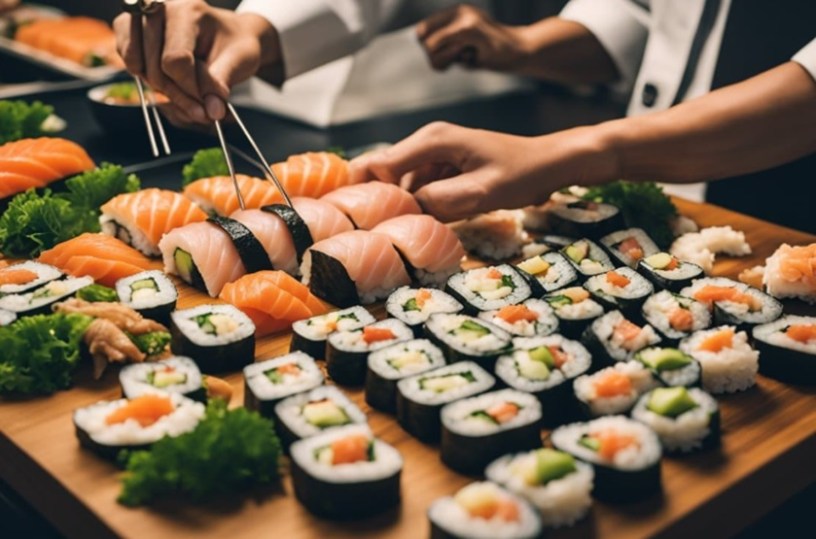
Sushi is beloved worldwide for its delicate flavors and fresh ingredients, but serving it in tropical climates presents unique challenges. Warm temperatures, high humidity, and limited cold storage can all affect the quality and safety of sushi. Understanding how to maintain freshness in these regions is essential for both chefs and diners.
Temperature Control Is Critical
Fish and seafood are highly perishable, and tropical heat accelerates spoilage. Maintaining proper refrigeration, from storage to preparation, is vital. Ideally, fish should be kept at temperatures just above freezing until ready to be used. Sushi rice also requires careful handling; it should be stored at safe temperatures while retaining its slightly warm, sticky texture for optimal taste and consistency.
Sourcing High-Quality Ingredients
Freshness begins at the source. Sushi prepared in warm regions relies on local suppliers or fast shipping of imported seafood to ensure quality. Chefs often choose species that tolerate warmer climates better, or that can be transported quickly without compromising texture and flavor. Trustworthy sourcing reduces the risk of contamination and ensures that the natural taste of sushi shines through.
Hygienic Handling Practices
High humidity and heat increase the risk of bacterial growth, making hygiene paramount. Chefs must wash their hands frequently, sanitize utensils, and use clean cutting surfaces. Raw ingredients should never be left out at room temperature for extended periods. Even minor lapses in hygiene can affect both safety and flavor, so consistent protocols are essential in tropical settings.
Efficient Preparation and Serving
In warm climates, timing matters. Sushi should be prepared as close to serving time as possible to minimize exposure to heat. Rolling or slicing in advance can compromise freshness, so many chefs adopt just-in-time preparation methods. Serving sushi quickly after preparation ensures that diners experience the intended taste and texture.
Educating Diners
Consumers also play a role in maintaining sushi quality. In tropical regions, diners should be aware of proper storage if taking sushi to go, avoiding prolonged exposure to heat, and consuming it promptly. Restaurants often guide safe handling to preserve both flavor and safety.
Successfully serving sushi in tropical climates requires attention to temperature, sourcing, hygiene, and timing. By implementing these strategies, chefs can ensure that sushi remains fresh, flavorful, and safe, even in the warmest regions. Proper handling allows diners to enjoy the delicate textures and vibrant tastes that make sushi a globally celebrated cuisine.
Sushi Inc. is a vibrant restaurant that offers what is considered the best sushi in St Petersburg. Opening its doors in 2013 and becoming a local staple by offering live music, traditional hand-rolled sushi, and a friendly atmosphere, our guests always have a top-notch experience. Customers love our award-winning, fresh, and creative Sushi rolls, Nigiri, and Sashimi. With a larger selection of tempura, non-Sushi, and teriyaki options, we can accommodate every taste.

